Pallet Rack Inspections: Your Guide to Warehouse Safety
September 14, 2026
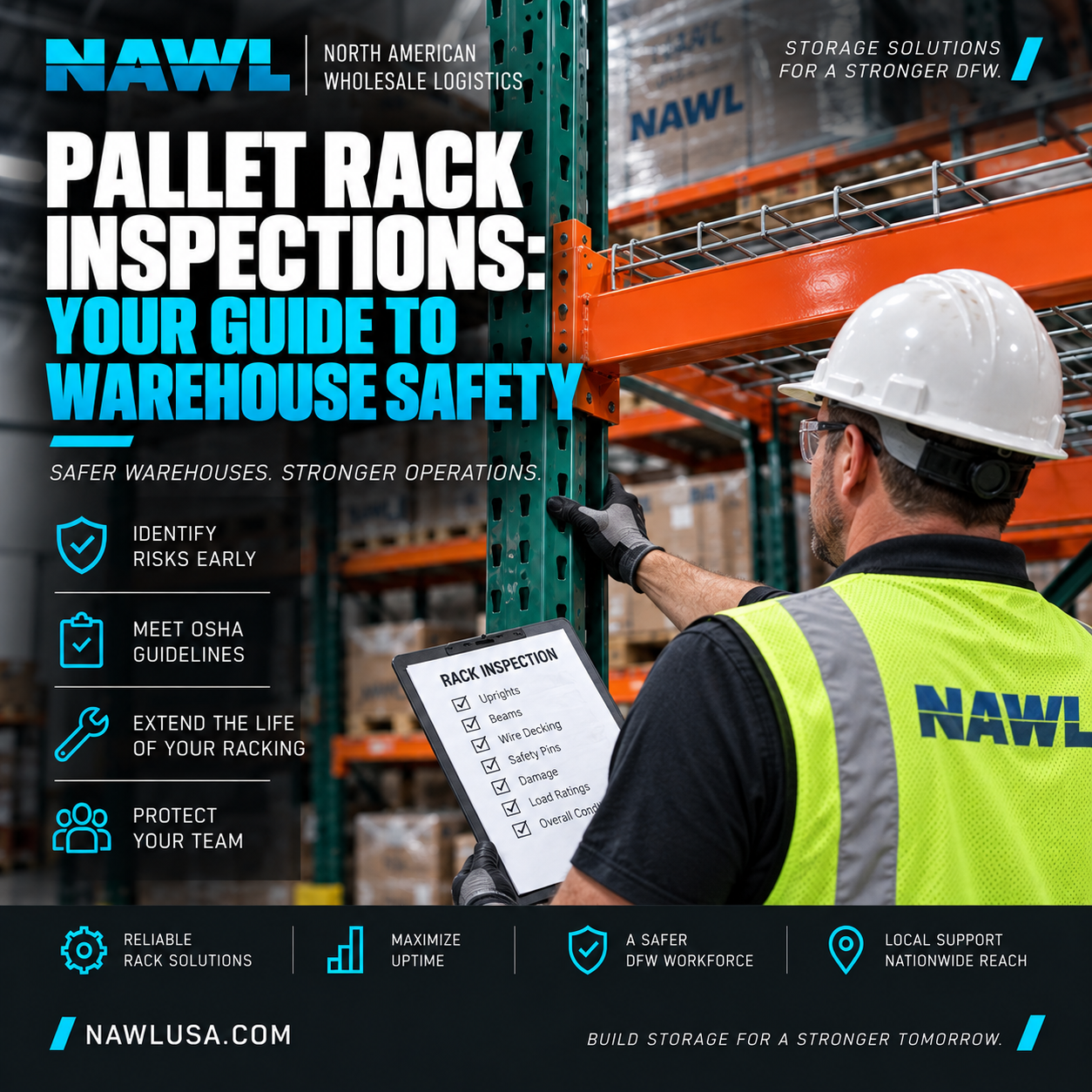
Regular pallet rack inspections are not just a best practice; they are a critical component of warehouse safety and operational efficiency. Neglecting this duty can lead to costly accidents, downtime, and regulatory fines. This guide provides a clear, actionable framework for conducting thorough inspections, ensuring your storage systems remain safe and reliable.
As a warehouse manager, dealer, or installer, understanding the nuances of rack inspection helps you identify potential hazards before they escalate. Proactive maintenance extends the life of your equipment and protects your personnel and inventory.
We will detail the key areas to inspect, define acceptable damage levels, and outline the proper steps for addressing deficiencies. Equip yourself with the knowledge to maintain a safe and productive warehouse environment.
Why Pallet Rack Inspections Are Essential
Pallet racking systems operate under constant stress from loading, unloading, and environmental factors. Over time, components can incur damage that compromises their structural integrity. Regular inspections, both quarterly and annually, are vital for identifying these issues early.
Beyond safety, inspections help maintain compliance with OSHA regulations and industry standards like RMI (Rack Manufacturers Institute). A well-maintained racking system also reduces long-term repair costs by catching minor issues before they become major structural problems.
Quarterly Inspection Checklist: Your Visual Quick Scan
Quarterly inspections should be visual, quick, and conducted by trained in-house personnel. The goal is to identify obvious damage or misuse. Focus on high-impact areas and frequently used aisles.
Key areas to check include: visible deformation or bending in uprights and beams, missing or damaged components (pins, shims, anchors), accumulation of debris, and general cleanliness. Note any rack components that appear out of plumb or level. Document all findings, even minor ones, to track potential trends.
Annual Inspection: The Deep Dive
Annual inspections require a more detailed, systematic approach, often performed by a qualified professional or a highly trained internal team. This inspection covers every component of the racking system and assesses overall structural integrity. It includes measurement of critical dimensions and a thorough review of all connections and foundations.
Beyond the visual checks from quarterly inspections, annual reviews should measure upright plumb and level deviations, inspect anchor bolts for security and integrity, check beam connections for proper engagement and absence of uplift, and assess overall system stability. Review any repairs or modifications made since the last inspection to ensure they meet original design specifications.
Identifying Rack Damage and Repair Triggers
Damage to pallet rack components can compromise the entire system's load-bearing capacity. It’s crucial to understand what constitutes a repair trigger. Any deformation, bending, twisting, or fracturing of uprights, beams, or bracing must be addressed immediately.
Minor scratches or paint chips might not require immediate repair, but significant dents, especially on the column face or side, often indicate a need for replacement or professional repair. Always refer to the manufacturer's guidelines and RMI standards for acceptable damage limits. If in doubt, isolate the affected area and consult a qualified rack engineer or supplier.
Measuring Plumb and Level Deviations
Rack uprights must stand plumb (vertically straight) and level (horizontally flat) within specified tolerances. Deviations can lead to uneven load distribution and reduced capacity.
Use a plumb bob or a laser level to check upright columns for vertical straightness. Measure horizontal deflection along the length of the aisle. The RMI standard for plumbness is typically 1/2 inch in 10 feet of height, but always confirm with your rack manufacturer's specifications. Any deviation exceeding these limits requires immediate attention and potential unloading of the affected bay.
Documentation and Record Keeping
Maintain a detailed log of all inspections, including dates, findings, corrective actions taken, and who performed the inspection. This documentation is crucial for demonstrating compliance, identifying recurring issues, and planning future maintenance.
Clear records also provide a historical overview of your racking system's condition, which is invaluable for justifying repair or replacement expenditures and ensuring continuous safety improvement. Store these records in an easily accessible location.
Why Dealers Choose NAWL Quick Ship for Replacements
When inspections reveal the need for replacement components, rapid procurement is critical to minimize downtime and maintain safety. NAWL understands this urgency. Our dealer-focused approach includes quick-ship inventory from our Venus, TX facility.
Dealers can rely on NAWL for immediate access to high-quality pallet rack components, ensuring that necessary repairs and replacements are executed efficiently. This minimizes disruption for your end-user customers and keeps their operations running safely and smoothly. Our commitment to prompt delivery directly supports your ability to respond effectively to inspection findings.
FAQ
How often should pallet racks be inspected?
A general rule is to conduct visual inspections quarterly by trained internal staff and a comprehensive, detailed inspection annually by a qualified professional or highly trained team.
What is the RMI standard for rack plumbness?
The Rack Manufacturers Institute (RMI) typically suggests that uprights should be plumb within 1/2 inch in 10 feet of height, though it's essential to consult specific manufacturer guidelines.
Who is responsible for pallet rack inspections?
Ultimately, the warehouse owner or operator is responsible for ensuring regular inspections and maintaining safe racking systems. This duty can be delegated to trained internal staff or third-party professionals.
What constitutes 'damage' that requires immediate attention?
Any visible deformation, bending, twisting, or fracturing of structural components like uprights, beams, or bracing, particularly if it exceeds manufacturer-specified limits, requires immediate action.
Should I unload a rack bay if I find damage?
Yes, if significant damage is identified, the affected bay should be immediately unloaded and isolated until a qualified person can assess the damage and authorize repairs or replacement. Safety is paramount.
Ready to spec a system? Request a quote and our team will size it with you.