Warehouse Rack Expansion Planning Guide
November 8, 2026
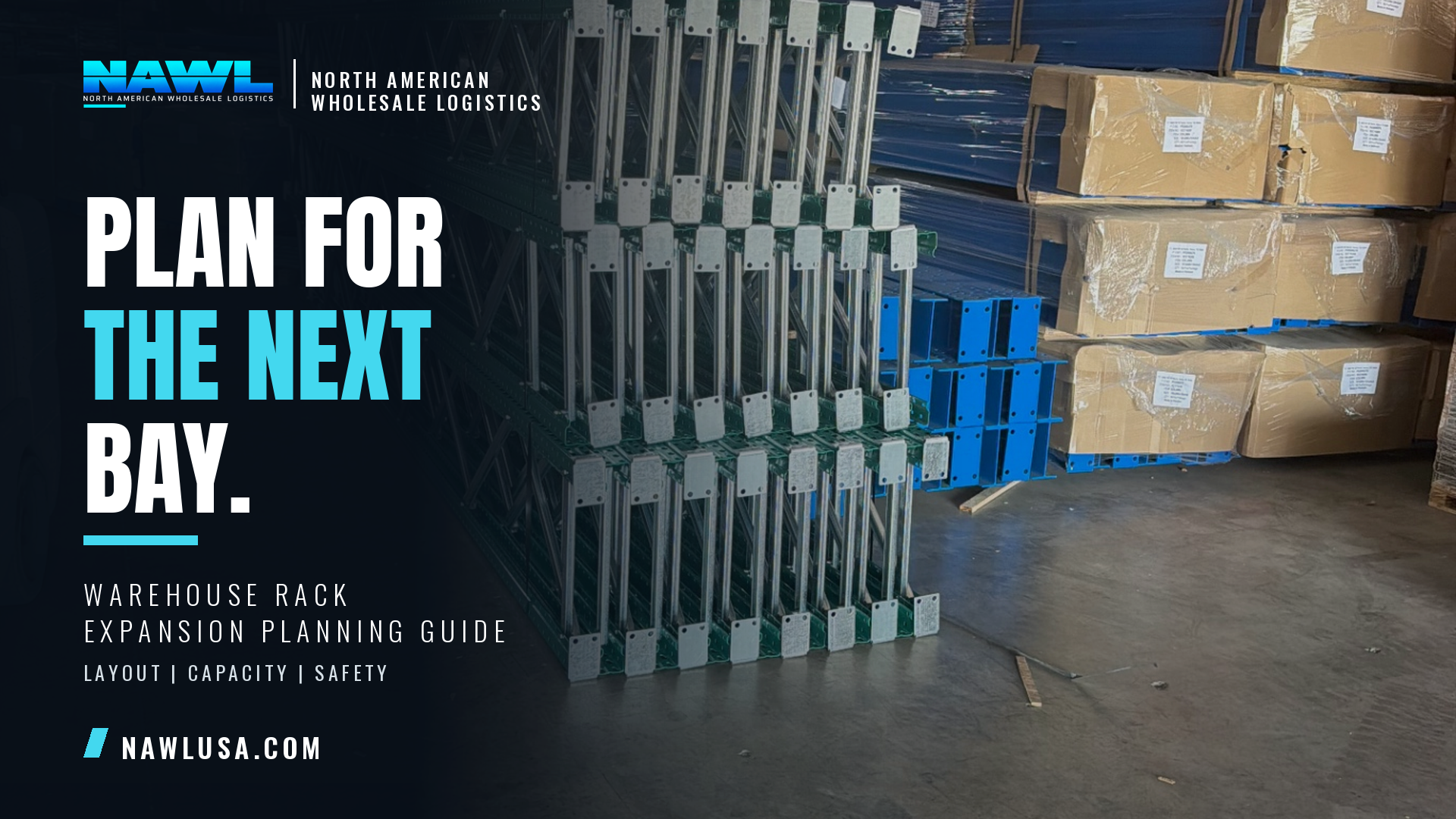
Buying pallet racking is a significant investment. Too often, facilities make immediate purchasing decisions without a clear vision for the future. This shortsighted approach inevitably leads to inefficiencies, compliance headaches, and substantial rework costs down the line. True cost efficiency in warehouse storage comes from strategic foresight.
This guide will walk you through critical considerations for warehouse rack expansion planning. By addressing future needs now, you can specify a racking system that scales with your business, maximizes your DFW footprint, and ensures the safety of your operations.
Understand Your Growth Trajectory
Before you even think about rack types or dimensions, you need a realistic projection of your business growth. This isn't just about total inventory volume; it's about the characteristics of that growth.
Inventory Profile Changes
- Volume Increase: How much more product do you expect to store in the next 3, 5, or 10 years? This directly impacts the total linear feet and bay count needed.
- SKU Proliferation: Will you be adding more unique product types? This often means smaller quantities per SKU but a higher overall number of distinct items, potentially requiring more selective access or different rack configurations.
- Product Dimensions & Weights: Are new product lines likely to be heavier, bulkier, or have different packaging dimensions? This dictates beam capacity, frame depth, and clear aisle requirements.
- Storage Media: Will you continue to store everything on standard pallets, or might you need specialty storage for non-palletized items, drums, or awkward shapes?
Consider historical growth rates and future market trends specific to your industry. A clear understanding of these dynamics is the bedrock of effective warehouse rack expansion planning.
Design for Scalability and Flexibility
Your initial rack purchase should not be a static solution but rather the first phase of a dynamic system. Design with future expansion in mind.
System Compatibility
If you anticipate adding more bays or even new rack systems later, ensure your initial purchase uses components that are readily available and compatible. Standardized upright and beam designs across your facility will simplify future purchases and maintenance. While a proprietary system might offer initial benefits, assess the long-term implications for sourcing replacement parts or expanding with different vendors.
Layout and Flow
Map out your current and projected warehouse layout. Where will additional racking go? Consider existing columns, doors, utilities, and emergency exits. Ensure that adding racks won't impede critical pathways or violate fire codes. When planning for growth in a busy area like DFW, space is at a premium. Maximizing vertical storage while maintaining efficient flow is crucial. Leave dedicated space or at least a clear strategy for where future aisles and bays will be added without disrupting current operations.
Rack Type Adaptability
Think about whether your chosen rack type can be easily reconfigured. For example:
- Selective Rack: Highly versatile. Adding beams for more levels or converting to specialized storage like carton flow is relatively straightforward.
- Drive-In/Drive-Thru: Excellent for high-density, low-SKU-count operations, but less flexible if your product mix shifts to higher SKU diversity. Expansion typically means adding entire new lanes.
- Push Back/Pallet Flow: Offers good density and selectivity, but specific lanes are designed for particular pallet depths and weights. Reconfiguration can be more involved.
Opt for systems that offer modularity, allowing you to add bays, reconfigure beam levels, or even shift entire sections with minimal downtime and cost.
Prioritize Safety from Day One
Any discussion of warehouse infrastructure, especially expansion, must center on safety. Cutting corners here is never an option.
Structural Integrity and Load Capacity
When planning for growth, ensure your floor slab can handle increased point loads. Consult with a structural engineer. This isn't just about the current weight of your racks but the potential for higher loads during expansion. Always specify racking with ample safety factors. Overloading, even temporarily, can lead to catastrophic failure.
DFW Building Codes and Permitting
Expanding your racking system, especially if it exceeds certain height or square footage thresholds, may require new building permits in DFW. Be aware of local regulations concerning egress, sprinkler systems, and seismic bracing. Engaging with local authorities early can prevent costly delays and ensure compliance.
Safety Features and Accessories
Integrate safety features into your initial purchase, knowing they will be essential for future expansion. This includes:
- Column Protectors: Prevent damage from forklifts, especially in high-traffic or blind-spot areas.
- Guard Rails: Essential for protecting rack ends, pedestrian walkways, and facility equipment.
- Wire Decks/Pallet Supports: Crucial for preventing pallets from falling through beam levels.
- Anchoring: Proper anchoring is non-negotiable for stability. Ensure your expansion plans account for adequate anchoring of new rack sections.
Review RMI (Rack Manufacturers Institute) standards and OSHA guidelines regularly. Proper installation and maintenance are paramount, and these standards provide guidance for both. Don't compromise on safety for a lower upfront cost; the consequences far outweigh any perceived savings.
Financial and Logistical Considerations
Smart planning extends to your budget and operational execution.
Budget for Expansion
Don't just budget for your immediate needs. Allocate funds or at least project costs for future phases. This includes not just the rack components but also installation, potential modifications to fire suppression, changes to lighting, and any necessary floor repairs or modifications.
Phased Implementation
If a full build-out isn't feasible immediately, plan for phased implementation. This allows you to spread the cost over time and adapt your plans as your business evolves. Ensure each phase can integrate seamlessly with the next without requiring significant rework of previous installations.
Supplier Relationships
Choose a reputable rack supplier with a proven track record. A good supplier can offer not just quality products but also expert advice on layout, code compliance, and future-proofing your system. They should be able to provide consistent product lines and support for your long-term needs, whether you're in DFW or elsewhere.
By taking a proactive stance on warehouse rack expansion planning, you safeguard your initial investment and position your operation for sustainable growth. Don't let immediate needs overshadow future demands. Plan smart, build safe, and grow efficiently.
Ready to discuss your long-term storage needs? Contact NAWL today to get a quote and explore how our engineered racking solutions can support your DFW operations and beyond.