Pallet Rack Base Plates: What Buyers Must Check
October 27, 2026
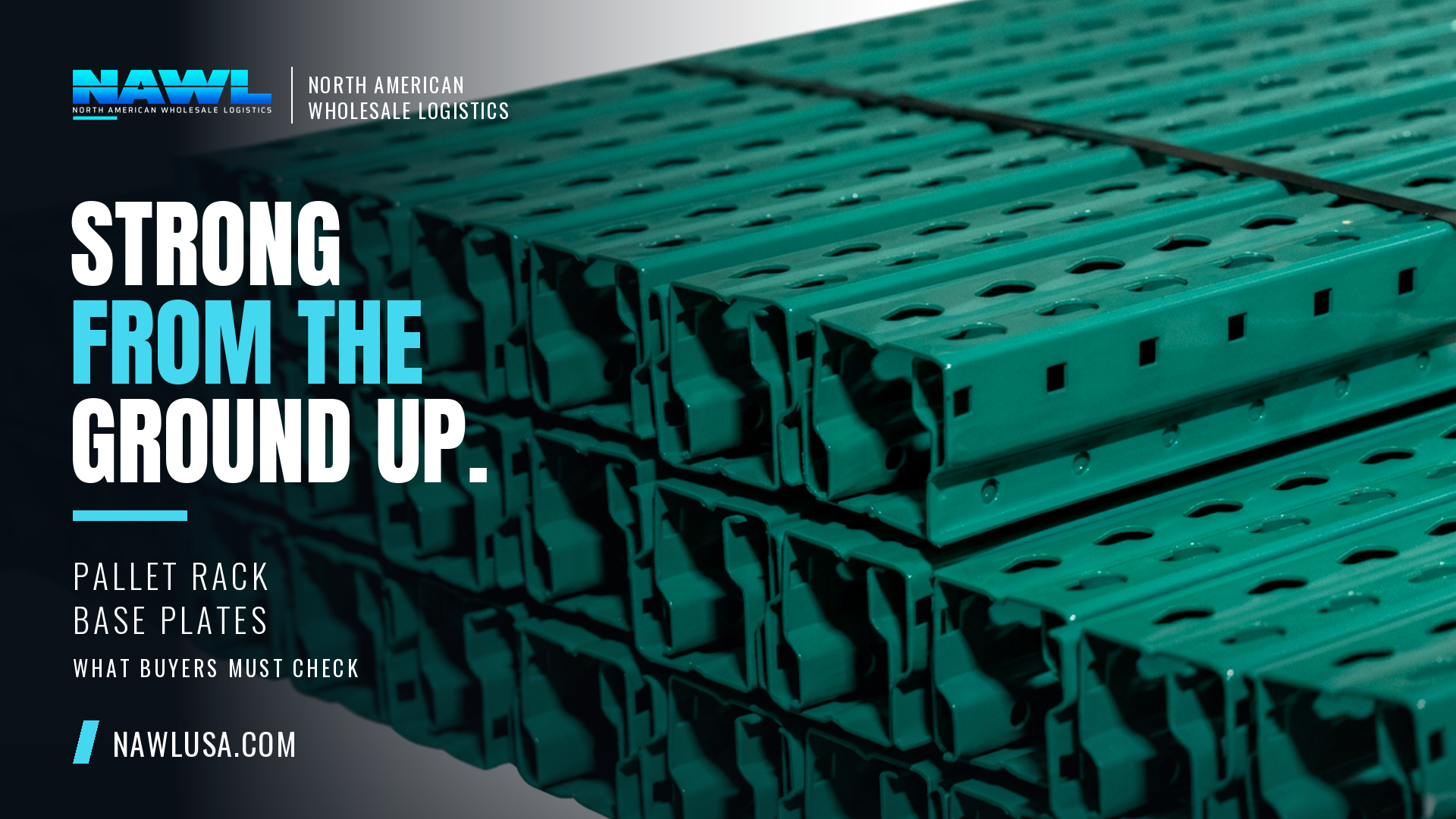
Every piece of your pallet racking system matters, right down to the smallest component. While uprights and beams often get the most attention, the foundation of your system's stability and safety literally rests on its footplates and base plates. These components, often overlooked in the initial design phase, are crucial for proper load distribution, seismic resistance, and overall structural integrity. For warehouse managers, distributors, and dealers in the DFW area and beyond, understanding the nuances of these critical Accessories isn't just good practice—it's essential for compliance and operational safety.
The Critical Role of Pallet Rack Base Plates
Pallet rack base plates are the interface between your rack uprights and the warehouse floor. They serve several vital functions:
- Load Distribution: Racking systems support immense weight. Without a proper base plate, the concentrated load from an upright could damage the concrete floor or cause the upright to sink, compromising the rack's stability.
- Stability and Anchorage: Base plates provide the surface area through which anchor bolts secure the rack to the floor. This anchorage prevents tipping, shifting, and buckling, especially during impact or seismic events.
- Seismic Resistance: In areas prone to seismic activity (or even just heavy forklift traffic), properly designed and anchored base plates are paramount for preventing catastrophic rack collapse.
- Impact Protection: While not their primary role, sturdy base plates can offer a small degree of resistance to minor impacts at floor level.
Ignoring the specifications of your base plates is akin to building a house on a shaky foundation. It introduces unnecessary risk and potential liability.
Key Selection Criteria for Base Plates
When evaluating pallet rack base plates, several factors come into play. These aren't just details; they are design choices with real-world consequences for your warehouse operation.
Material and Thickness
The most common material for base plates is steel. The thickness is critical and should be specified by a qualified rack engineer based on the rack's capacity and seismic requirements. Thicker plates generally offer better load distribution and strength. Standard thicknesses vary, but always ensure they meet or exceed engineering specifications for your specific system and load profile.
Size and Shape
Base plates typically come in a square or rectangular shape. The larger the surface area, the better the load distribution. The size will be dictated by the upright column dimensions and the required bearing area. Some base plates are an integral part of the upright column (welded), while others are separate components bolted or welded on. For specific applications, such as high-capacity systems or seismic zones, larger, heavier-duty plates might be necessary.
Anchor Bolt Hole Configuration
This is where many systems differ. Base plates can have one, two, or even more anchor bolt holes. More anchor points generally provide greater stability and resistance to overturning. The diameter and spacing of these holes must match the size and type of anchor bolts specified for the system. Ensure the anchor bolt holes allow for proper placement and tensioning of anchors without interfering with the upright column itself.
Finish
Like other rack components, base plates are typically powder-coated or painted for corrosion resistance. In environments with high humidity, extreme temperatures, or exposure to chemicals, the finish's durability becomes even more important. A robust finish prolongs the life of the component and maintains its structural integrity.
What Buyers Must Check Before Purchase
For buyers, especially those managing facilities in bustling areas like DFW, here's a practical checklist to ensure you're making informed decisions about your pallet rack base plates:
1. Engineering Specifications and Load Calculations
Always start here. Review the detailed engineering drawings and load calculations for your proposed racking system. These documents will specify the required base plate dimensions, thickness, and anchor bolt requirements. Do not deviate from these specs without consulting a qualified engineer.
2. Local Building Codes and Seismic Requirements
Different regions have different building codes and seismic design categories. In the DFW area, local codes will dictate specific requirements for anchorage and structural design. Ensure your base plates and their anchoring strategy comply with all local regulations. A reputable rack supplier will be familiar with these requirements.
3. Anchor Bolt Type and Quantity
Verify that the base plates accommodate the correct type and quantity of anchor bolts. The type of anchor (wedge, drop-in, adhesive, etc.) and its embedment depth are critical for achieving the specified pull-out strength. Make sure the number of holes aligns with the engineering plan for proper anchorage.
4. Compatibility with Uprights
If you're replacing components or integrating new sections, confirm that the base plates are compatible with your existing upright columns. Manufacturers often have proprietary designs, so a base plate from one brand might not fit another. This is particularly important for welded base plates.
5. Floor Conditions
Before installation, assess your warehouse floor's condition. Cracks, unevenness, or inadequate concrete thickness can compromise anchor bolt performance and overall system stability. The base plate distributes the load, but the floor must be able to support it. Concrete strength (psi) is a key factor.
6. Supplier Reputation and Certifications
Choose a supplier with a proven track record for quality and adherence to industry standards. Look for manufacturers who design and build to RMI (Rack Manufacturers Institute) specifications. Their expertise ensures that all Accessories, including base plates, meet rigorous performance and safety criteria.
Properly specified and installed pallet rack base plates are a non-negotiable aspect of a safe and efficient warehouse. They are foundational to your rack system's ability to handle loads, resist impacts, and maintain structural integrity over time. Don't let these critical components be an afterthought. Prioritize them in your planning and procurement processes.
Ready to ensure your racking system has the strongest possible foundation? Request a quote from NAWL today and let our experts guide you through selecting the right Accessories for your specific warehouse needs, from DFW to locations across the nation.
Ready to spec a system? Request a quote and our team will size it with you.